Affordable Deck Building Services: Enhance Your Home's Value
Cost-effective deck building solutions provide a practical option for property owners seeking to enhance their home's worth. A carefully crafted deck not only improves outdoor visual appeal but can also attract potential buyers. By choosing cost-effective materials and skilled contractors, homeowners can create an inviting outdoor living area. Still, being aware of the nuances of deck design and components is essential. Which elements should homeowners evaluate to ensure a valuable investment?
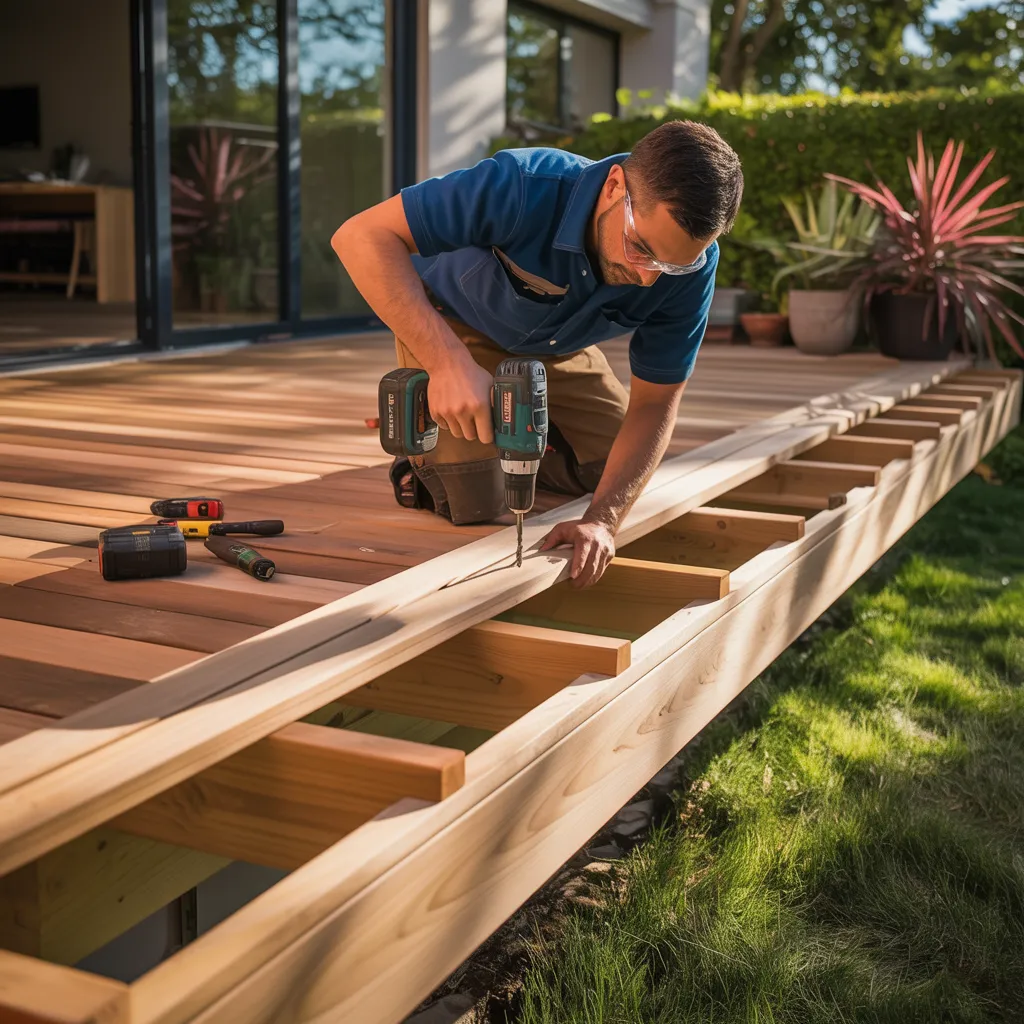
Why You Should Invest in Affordable Deck Building for Your Home
Putting money into affordable deck building can greatly enhance a home's value and appeal, especially when property owners understand the enduring rewards. One significant reason to contemplate this investment is the expanded outdoor area it offers. A well-designed deck serves as an extension of the home, offering a flexible space for leisure, social gatherings, or al fresco dining. Furthermore, decks can promote a healthier lifestyle by encouraging outdoor activities.
Additionally, cost-effective deck construction can contribute to increased property values. A well-constructed deck frequently draws in potential buyers, making homes easier to sell. Sturdiness and reduced maintenance requirements associated with high-grade materials contribute to the deck's functionality and attractiveness. Finally, the decorative upgrade that a deck brings can create a welcoming environment, promoting a feeling of ease and satisfaction. Property owners who thoughtfully invest in deck installation are expected to experience both present and lasting advantages, elevating their day-to-day enjoyment of their home.
How a Deck Improves Your Home's Curb Appeal
A beautifully crafted deck functions as a stunning focal point that significantly improves a home's exterior appeal. Its presence revitalizes outdoor spaces, inviting potential buyers and visitors to envision relaxed get-togethers or serene evenings. A thoughtfully designed deck harmonizes with the home's architecture, forming a harmonious aesthetic that improves the home's overall appeal.
In addition, the chosen materials and finishes chosen can express a homeowner's individual taste, enhancing the visual appeal. Rich landscaping paired with a deck can produce a balanced outdoor environment, accentuating the overall property.
In areas where houses tend to look alike, a unique deck can make a property stand out, highlighting personal style and careful craftsmanship. This addition not only enhances visual appeal but also reflects a deliberate investment in the property, making it more attractive in the competitive real estate market. Ultimately, a deck serves as both a functional space and an aesthetic upgrade, substantially enhancing the property's curb appeal.
Deck Material Options and Pricing
When considering deck materials, homeowners and builders often weigh the benefits of wood versus composite options. Both materials provide notable strengths and differing price points that can significantly affect the overall budget for the project. Evaluating these considerations assists in reaching informed decisions tailored to specific needs and financial considerations.
Wood Deck Options
Wood decking choices provide homeowners with a range of options that accommodate both aesthetic preferences and budget constraints. Commonly used materials feature pressure-treated pine, recognized for its cost-effectiveness and durability, making it a popular option for financially mindful installations. Cedar and redwood deliver a more authentic aesthetic and protection against deterioration, although they come at a higher cost. Exotic hardwoods, including ipe and mahogany, deliver remarkable strength and elegance but can greatly increase overall expenses. Additionally, maintenance considerations, such as treating and protecting the wood, can impact long-term costs. In the end, choosing the right wood decking requires reconciling initial expenditure with long-term durability and appearance, allowing homeowners to maximize the value of their investment.
Composite Material Benefits
While many homeowners consider traditional wood options, composite materials have become increasingly popular due to their wide range of benefits. These products, commonly composed of a blend of recycled plastic components and wood fibers, offer exceptional durability and resistance to weathering, pests, and rot. Such longevity reduces the need for frequent repairs and replacements, making them a sensible option for busy homeowners. Furthermore, composite decking needs far less maintenance than wood, eliminating the need for regular staining or sealing. Offering a wide selection of colors and textures, composite materials can imitate the aesthetic of wood while providing a more consistent look. In the end, these advantages make composite decking a compelling option for those seeking to improve their outdoor living areas without compromising on quality or visual appeal.
Cost Evaluation Overview
Being aware of the costs tied to different deck materials is vital for homeowners embarking on a deck installation project. A range of materials feature varying price points, impacting overall project costs. Pressure-treated wood typically costs between $15 to $25 per square foot, making it a popular yet affordable choice. By comparison, luxury hardwoods, including teak or mahogany, often range from $30 to $60 per square foot, drawing in those who value both strength and beauty. Composite materials, though higher in upfront cost at $20 to $40 per square foot, provide lasting durability with little upkeep, which may balance out expenses over time. At the end of the day, picking the ideal material means finding a balance between initial costs and future upkeep requirements, guaranteeing the investment matches the homeowner's budget and intended deck use.
Essential Design Features for Your Ideal Deck
When considering the design of an optimal deck, choosing the right materials is crucial for both appearance and lasting quality. Furthermore, the design and purpose must align with the planned purpose, whether for entertaining, relaxation, or gardening. Combined, these components form a unified exterior area that improves the property.
Material Selection Considerations
Picking the correct material options for a deck is vital to achieving both functionality and visual appeal. Property owners face numerous options, including wood, composite, and PVC materials. Real wood delivers a classic look and can be treated for extended durability, but requires routine upkeep. Composite options deliver strength and resistance to the elements, making them low-maintenance while imitating the aesthetic of wood. PVC presents an additional choice, recognized for its durability against fading and staining, but may lack the warmth of real wood. Furthermore, elements such as budget constraints, local climate, and intended usage play significant roles in material selection. By thoughtfully considering these aspects, homebuilders can guarantee their deck meets both practical and visual needs, improving their outdoor living space considerably.
Structure and Performance
Once you have selected the right construction materials, the following step includes considering the arrangement and practicality of the deck. A well-planned layout optimizes space while providing comfortable movement and convenient accessibility. Residents should reflect on the deck's principal use—whether for social gatherings, leisure, or outdoor cultivation—and structure the space to suit those needs. Additions including built-in seating, planters, or privacy screens may improve functionality and visual charm. Additionally, integrating flow with the home's architecture and surrounding landscape is key to achieving a cohesive look. Proper zoning, such as designated areas for dining or lounging, can elevate the complete functionality. Accounting for variables like solar exposure and prevailing winds will further enhance the comfort of the outdoor space. In the end, a well-considered design and practical layout boost both livability and property value.
How to Find Reliable Deck Builders in Your Area
Identifying dependable deck builders in your vicinity can often feel like a challenging task. To begin the search, homeowners should seek recommendations from friends, family, or neighbors who have just finished comparable work. Web-based reviews and scores on platforms like Yelp, Google, or similar sites can provide valuable insights into local builders' track records.
Additionally, one must validate certifications. Contractors must be licensed and insured, safeguarding against possible liabilities. Reviewing a portfolio of completed work helps determine workmanship and design compatibility.
Homeowners should additionally gather multiple quotes to gauge the pricing and services available. Open communication is essential; builders should be willing to answer questions and supply thorough project timelines. Finally, checking for warranties or guarantees can provide extra reassurance. By taking these measures, homeowners can effectively choose a trustworthy deck contractor who meets their needs and expectations.
How to Plan Your Budget for Affordable Deck Construction
Creating a budget for cost-effective deck building demands thorough planning and evaluation of multiple factors. Homeowners ought to begin by establishing their total budget, which encompasses not only material costs but also labor, permits, and unforeseen expenses. Investigating local material prices for options such as wood, composite, or vinyl can assist in making well-informed decisions that align with financial limitations.
Next, it's important to focus on design aspects and key features. A simple design tends to be more economical than complex design elements. Homeowners should also consider discounts and seasonal deals from suppliers, which can yield impressive financial benefits.
In the end, collecting a number of bids from experienced deck contractors can help determine reasonable costs and help in selecting the ideal professional. Through assessing all of these considerations, homeowners can build a practical budget that enables a high-quality deck while controlling overall expenses.
How Adding a Deck Impacts Your Real Estate Value
Installing a deck can significantly boost a property's real estate value, often yielding a return on investment that interests potential buyers. Real estate experts regularly point out that homes with decks tend to sell faster and at increased price points when measured against similar properties without outdoor spaces. A well-constructed deck provides additional living space, allowing homeowners to enjoy outdoor entertaining, cookouts, or peaceful evenings outside, which can be especially appealing in family-oriented neighborhoods.
In addition, decks are able to serve as a key element in landscape design, turning an ordinary space into a sought-after escape. Buyers often regard a deck as a mark of a carefully maintained house, further enhancing its selling potential. Local tastes also play a role; in sun-drenched locations, a deck can be a primary draw. At the end of the day, investing in a deck can not only boost a house's overall appearance but also substantially enhance its general resale value.
Essential Tips for Maintaining and Preserving Your Deck's Value
Upkeeping a deck is vital for ensuring its longevity and protecting its value. Regular inspections should be conducted to identify any signs of wear, such as splintering wood or loose boards. Cleaning the deck at least twice a year helps clear away debris and mildew, which can lead to degradation. Using a mild detergent and a soft brush or power washer provides a deep clean without compromising the material.
Using a weatherproof sealant every few years is crucial to defend against moisture and UV damage, thus increasing the deck's longevity. It is equally important to keep gutters clear to stop water from collecting and to maintain proper drainage.
For wooden decks, periodic sanding could be needed to remove rough patches and maintain an appealing finish. Finally, ensuring that furniture and planters are shifted at regular intervals can avoid uneven discoloration and indentation marks, ultimately preserving the deck's aesthetic and functional value.

Frequently Asked Questions
What Building Permits Are Necessary for a Deck?
Constructing a deck generally necessitates an official building permit, zoning clearance, and potentially extra permits for plumbing or electrical work. Local rules and requirements vary, so checking with local authorities is necessary to ensure all requirements are met.
How Long Does It Take to Complete a Typical Deck Installation?
A typical deck installation usually takes between one to three weeks, based on the size, complexity, and weather conditions involved. Adequate planning and proper permitting can affect detailed article the overall timeline, resulting in a more efficient and streamlined construction process.
Can I Construct a Deck DIY or Hire a Professional Contractor?
One can choose to build a deck as a DIY project, which offers a sense of accomplishment, or bring in a professional for their skill and effectiveness. Either approach is influenced by personal abilities, financial considerations, and intended results.
What Are the Most Popular Deck Design Trends This Year?
This year, leading deck design styles encompass multi-tiered structures, integrated seating, sustainable materials, and vibrant color schemes. Additionally, outdoor lighting and smart technology features are gaining popularity, enhancing functionality and aesthetic appeal for property owners.
Do Eco-Friendly Materials Exist for Deck Building?
There are indeed several environmentally friendly options available for building decks, including reclaimed wood, bamboo, and composite materials manufactured using recycled wood fibers and plastics. Such alternatives decrease ecological impact while offering long-lasting beauty and strength.